
What overseas agencies should clarify before arranging a client’s healthcare journey—and how Panda Care approaches coordination in Chengdu.
For an overseas agency, identifying a hospital is only one part of arranging care in China. Clients also need to understand what to prepare, how appointments will be confirmed, where they will stay, who will help them communicate and what happens when plans change.
A useful local partner brings these details together into a clear, agreed service plan.
Panda Care coordinates medical travel and practical support in China, with Chengdu as its initial service base. Our approach starts with the client’s needs, then brings together the medical coordination, travel and everyday arrangements required for the journey.
For organisations exploring cooperation in China, the following five areas provide a practical starting point.
1. Begin with the client’s needs and a clear service scope
Some clients already have a preferred hospital or doctor. Others are considering a health examination, a specialist consultation or traditional Chinese medicine but do not know where to begin.
The initial conversation should establish the client’s main requirements, preferred language, expected travel dates, accompanying family members and the support they would like to receive. Detailed medical information can then be requested through an agreed process when it is needed for the provider’s review.
The next step is to distinguish between what has been requested, what can be coordinated and what still requires confirmation.
Depending on the agreed scope, Panda Care can coordinate:
Visa application preparation and supporting travel information;
Return flights, airport transfers and local transport;
Hospital appointment enquiries and communication with medical providers;
Interpretation and in-person accompaniment;
Accommodation, meals and arrangements for accompanying family members;
Cultural experiences suited to the client’s schedule and circumstances;
Communication with the hospital and follow-up arrangements after returning home.
Clients may request selected services or support across the full journey. The agreed plan should make those choices clear.
2. Connect medical resources to practical arrangements
A hospital or doctor directory is a useful reference, but it does not confirm whether a particular appointment or service is available for a client.
Before travel, the relevant institution, department, location, appointment arrangements and preparation requirements need to be checked. Medical assessment and treatment decisions remain with the treating medical professionals.
In Chengdu, institutions that may be considered during coordination include:
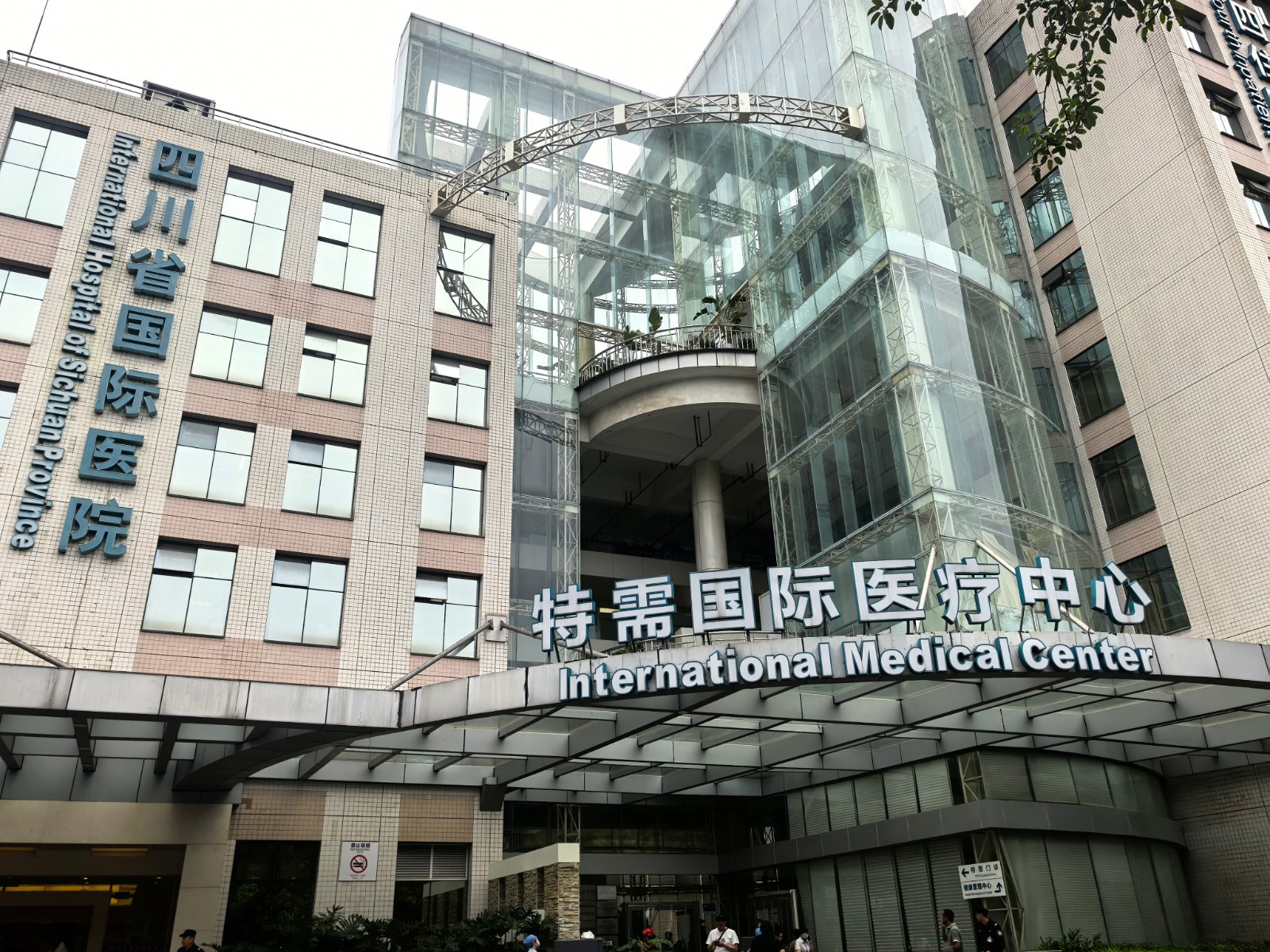
West China Hospital, Sichuan University (四川大学华西医院)
An institution clients may wish to explore for specialist consultations and hospital-based care. The relevant department and arrangements need to be confirmed for each enquiry.
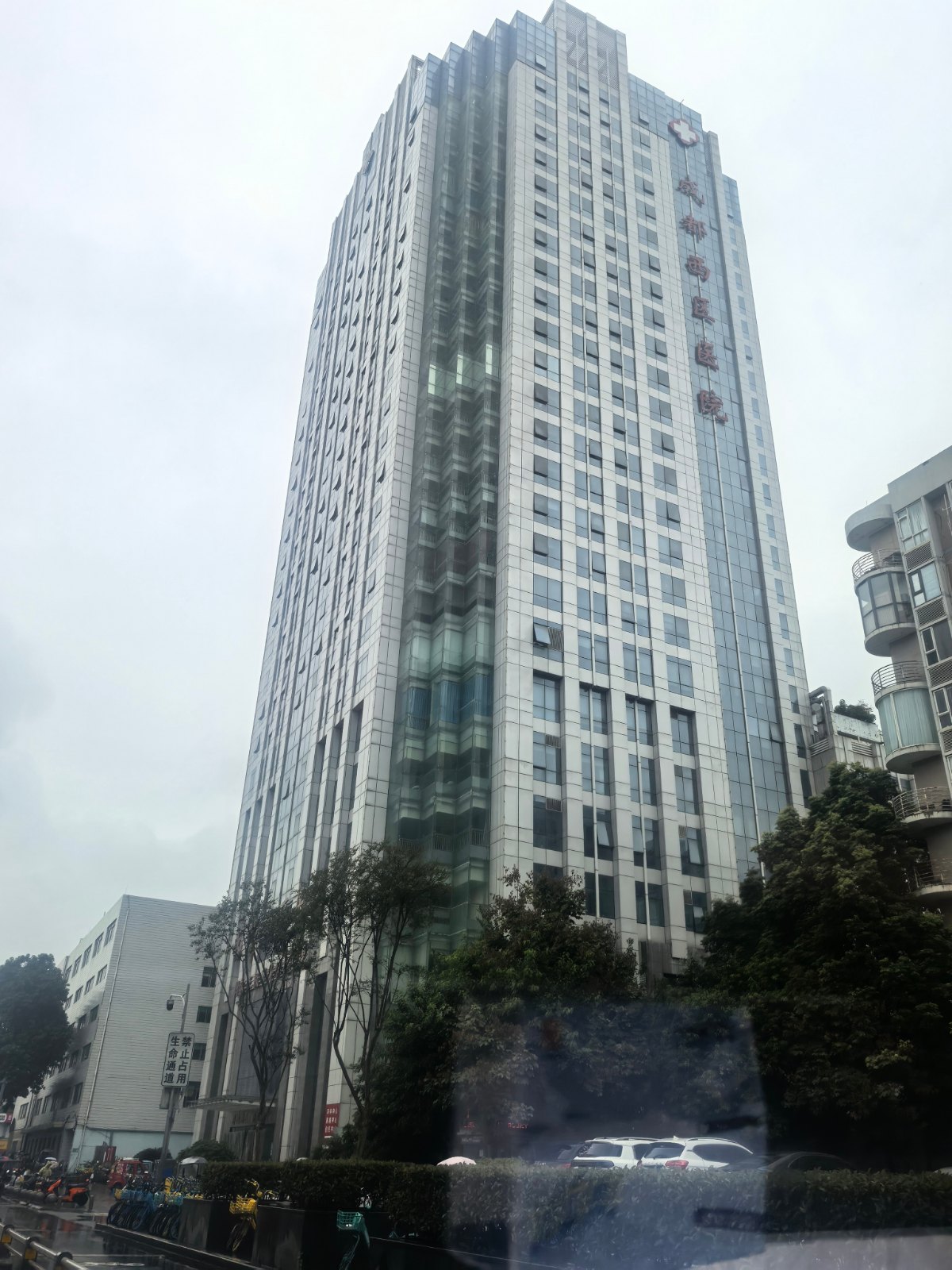
Chengdu Xiqu Hospital (成都西区医院)
An option to explore for health examinations, specialist consultations and other hospital services, according to the client’s requirements and the hospital’s confirmation.
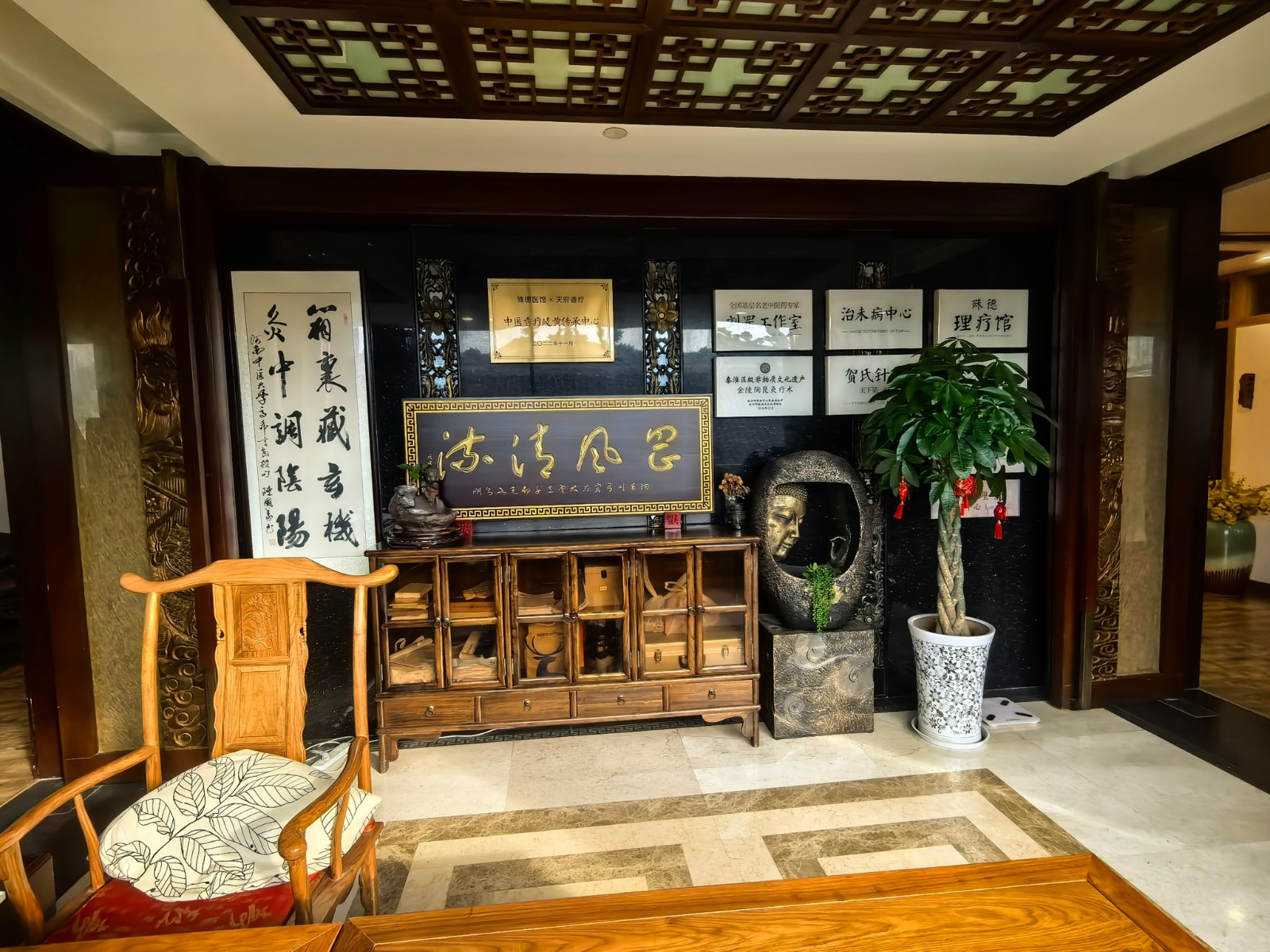
Shude Traditional Chinese Medicine Clinic (殊德医馆)
An option for clients interested in consultations with traditional Chinese medicine practitioners. Individual care recommendations are determined by the treating clinician.
Other medical resources in Chengdu can also be explored according to the client’s needs, language requirements, schedule and budget. Mentioning an institution here identifies a resource for enquiry; it does not confirm an appointment or a particular service arrangement.
Panda Care’s role is to help connect the client’s expressed needs with the practical steps required to organise the visit.
3. Make costs understandable before proceeding
A useful quotation should explain more than the total amount. Clients and overseas partners need to know what is included, who receives each payment and which items remain estimates.
Panda Care distinguishes three types of expenditure:
Cost category
What it covers
Medical institution fees
Consultations, examinations, treatment and other services charged by the medical provider
Panda Care service fees
The coordination, interpretation, accompaniment and other support agreed with Panda Care
Third-party costs
Flights, accommodation, transport and other externally supplied services
Medical fees are paid directly to the hospital. Panda Care’s coordination and support services are scoped and quoted separately. Payment arrangements for third-party services should also be stated in the agreed plan.
Where a cost cannot yet be confirmed, it should be identified as an estimate. A quotation should explain its assumptions, validity, exclusions and any relevant cancellation or change conditions.
This allows partners and clients to review the same information before making commitments.
4. Agree how communication and changes will be handled
Medical travel involves several parties: the client, the overseas agency, the local coordinator, medical providers and travel suppliers.
Before work begins, partners should agree:
Who communicates with the client and who coordinates with local providers;
What information is needed, why it is needed and how it will be shared with the client’s permission;
How progress and outstanding decisions will be communicated;
Who confirms additional services or costs;
How appointment changes, travel disruptions and other unexpected issues will be handled.
For Panda Care, these responsibilities should form part of the agreed service arrangement.
The same principle applies to response times. An acknowledgement from a coordinator is different from a confirmed reply from a hospital. Keeping those stages clear helps clients understand what has happened and what is still pending.
Before departure, the client should have a practical itinerary covering confirmed arrangements, contact details, preparation requirements and any unresolved items.
5. Include the return-home stage in the plan
The journey does not necessarily end when the client leaves China.
Depending on the agreed scope, further support may include helping organise the documents received during the visit, passing questions to the hospital and coordinating follow-up or return appointments.
It is useful to clarify these arrangements before travel:
Which documents the client should obtain from the medical provider;
Whether translation or additional document preparation is required;
How subsequent questions will be directed to the appropriate medical team;
Which follow-up services are included and which require a separate arrangement.
Panda Care can facilitate communication and practical coordination. Clinical interpretation, treatment advice and decisions about ongoing care remain with the relevant healthcare professionals.
How cooperation can begin
A first collaboration can start with one clearly defined client enquiry.
The overseas partner can introduce the client’s general needs, preferred timing, language and requested support. From there, we can discuss the feasibility of local arrangements, identify information still required and agree on responsibilities and costs before proceeding.
This gives both teams a practical basis for working together. It also helps establish a repeatable coordination process while allowing each client’s medical and personal requirements to be considered individually.
For Panda Care, the aim is straightforward: to turn a client’s intention to seek care in China into a clear plan, and to coordinate the agreed arrangements throughout the journey.
Discuss a client enquiry with Panda Care
If your organisation is exploring medical travel to China, we welcome a conversation about the local support your clients may need.
From hospital coordination to transport, accommodation, interpretation and return-home communication, we can explore an appropriate service scope in Chengdu and clarify how our teams could work together.
Email: pandacareglobal@gmail.com
Website: pandacareglobal.com